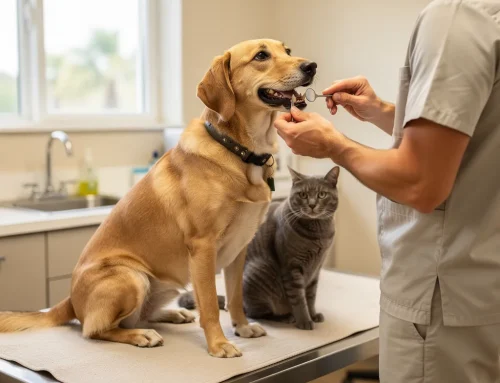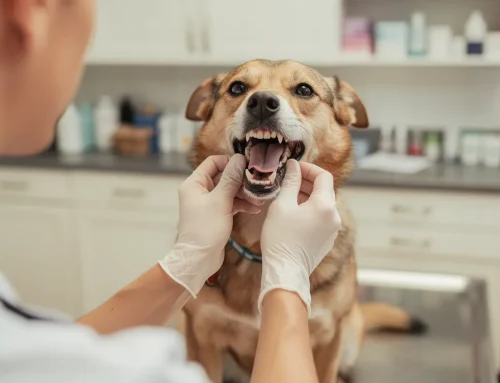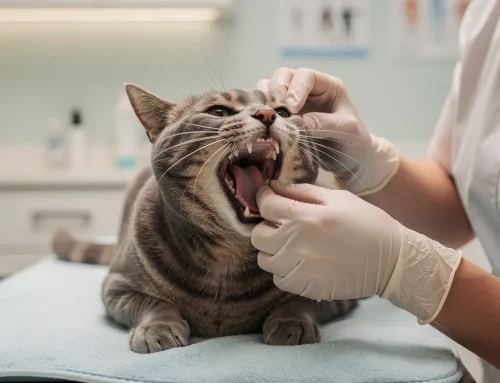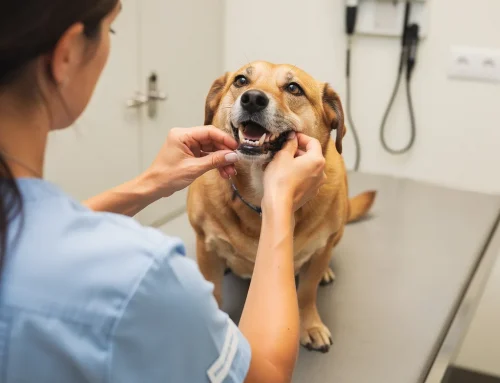

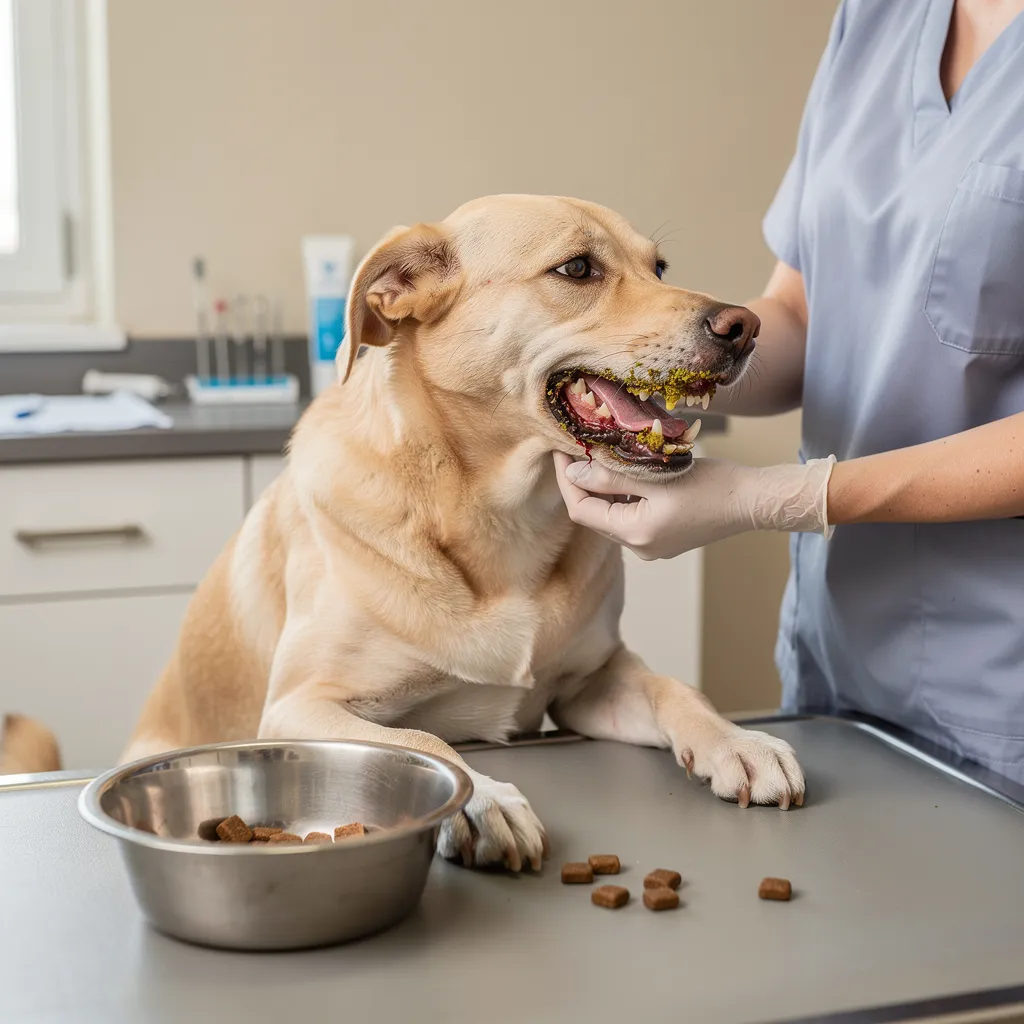
Persistent bad breath, the top warning sign, signals plaque buildup requiring professional dental scaling rather than home brushing alone. Additional red flags include visible tartar, inflamed or bleeding gums, reluctance to chew, and dropping food. Veterinarians confirm dental disease through a thorough oral exam performed under general anesthesia. Routine check-ups only allow a basic assessment.
Why Does Bad Breath Signal Dental Trouble?
Persistent bad breath rarely comes from something a pet ate. Periodontal disease stands as the leading cause of chronic halitosis in dogs and cats. It’s a serious condition that quietly damages the soft tissue and bone holding teeth in place. By the time an odor becomes noticeable, infection often has already taken hold beneath the gumline. Recognizing this early is central to knowing whether a pet needs dental cleaning services before the disease progresses further.
Wellness Animal Hospital approaches persistent odor as a diagnostic clue, not just a nuisance. The practice uses cutting-edge technology, the kind typically reserved for high-end human hospitals, to pinpoint exactly where infection or decay is hiding. That level of diagnostic precision matters, since bad breath alone doesn’t reveal how far periodontal damage has spread.
Is bad breath always a sign of a serious problem?
Not every odor points to disease, but persistent, worsening breath should never be dismissed. A higher standard of veterinary care means more thorough oral exams. Advanced protocols designed to catch problems while they’re still manageable. This diligence, paired with sharper diagnostic tools, translates into better outcomes for pets and fewer surprises for families.
Left unaddressed, periodontal disease can affect more than the mouth. Consider these warning patterns pet owners should track:
- Odor that lingers even after meals or water breaks
- Breath that worsens over several weeks rather than staying constant
- Bad smell paired with drooling, pawing at the face, or reduced appetite
Acting on these signs promptly supports one core goal: helping every pet live a longer, happier life alongside the family that loves them.

Could Your Pet’s Chewing Habits Reveal Pain?
Chewing patterns often expose dental pain long before an owner notices anything else wrong. A dog gnawing only on one side of the mouth. A cat suddenly avoiding hard kibble, sends a clear signal. Determining whether a pet needs dental cleaning services starts with watching these small, everyday behaviors closely.
Abnormal chewing, excessive drooling, or food dropping from the mouth mid-meal are physical clues that something hurts. These behaviors aren’t quirks or pickiness. They’re the body’s way of avoiding pressure on a sore tooth or inflamed gum.
Why is my pet suddenly not eating as much?
A dip in appetite, or refusing meals altogether, often points straight to mouth pain rather than a picky palate. Pets rarely stop eating without a reason. When chewing hurts, the easiest solution for an animal is simply to eat less or stop entirely.
Watch for these behavioral shifts alongside changes at the food bowl:
- Chewing only on one side of the mouth
- Dropping kibble or treats after picking them up
- Drooling more than usual during or after meals
- Turning away from food that was once a favorite
- Swallowing food quickly without much chewing at all
What should I do if I notice these signs?
Scheduling a veterinary exam remains the safest next step once chewing or appetite changes appear. Wellness Animal Hospital’s family-style approach means the team takes real time to listen when owners describe these shifts, rather than rushing through a checklist. cite-3
Catching chewing-related pain early supports something bigger: a longer, happier life for every pet in the exam room. cite-3 Small changes at the food bowl deserve attention, not dismissal.
Are Retained Baby Teeth A Warning Sign?
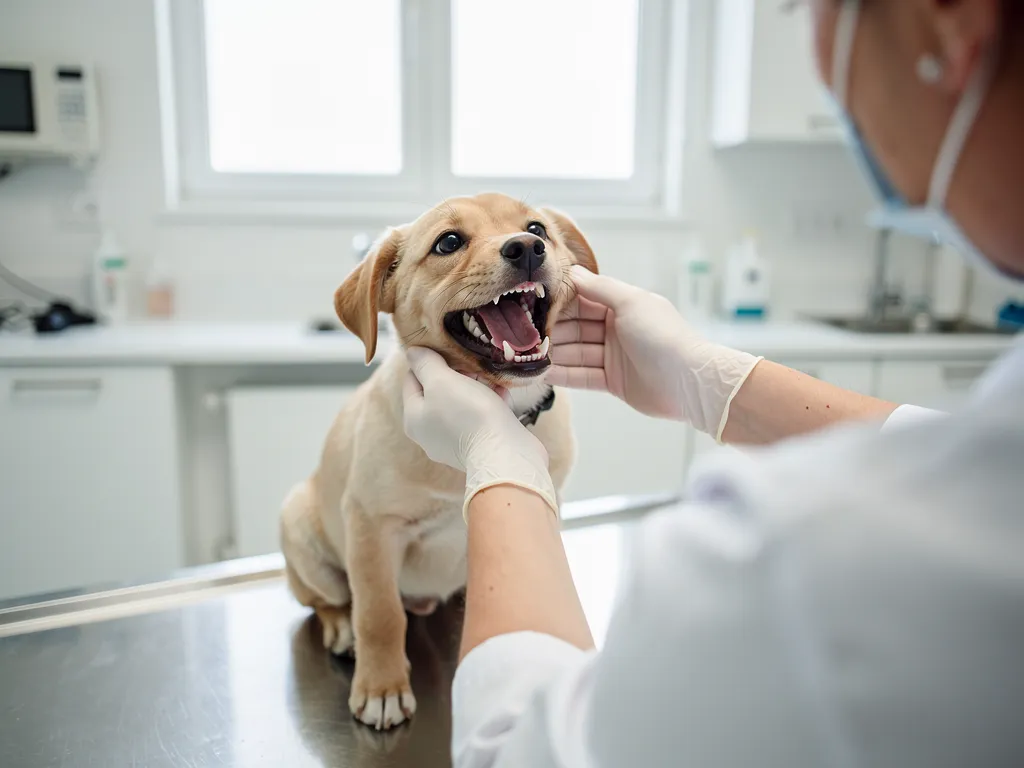
Yes, retained baby teeth signal a real dental problem, not a cosmetic quirk. Puppies and kittens around six to seven months old should have lost every deciduous tooth as adult teeth push through. When a baby tooth lingers past that window, it crowds the emerging adult tooth, traps food and bacteria, and sets the stage for early tartar buildup and gum trauma. Left unaddressed, that overcrowding can misalign the bite permanently.
Dental cleaning services become urgent at this stage, not optional. A young pet with stubborn baby teeth needs professional evaluation right away, since the longer the extra tooth stays put, the more damage accumulates below the gumline.
How does a vet catch a retained baby tooth early?
Spotting the issue takes more than a quick glance in a wiggly puppy’s mouth. Wellness Animal Hospital relies on advanced diagnostic technology, comparable to equipment found in leading human hospitals, to see beneath the gumline and catch complications a routine peek would miss.
What happens during the exam for a young pet?
Thorough exams and advanced protocols guide every visit, allowing staff to map out exactly which teeth need attention before problems escalate. This approach reflects a broader commitment to better outcomes, not just faster appointments.
Owners weighing whether their puppy or kitten needs care should watch for these signs:
- A visible adult tooth growing in alongside an unshed baby tooth
- Crowding or crooked alignment near the front incisors or canines
- Gum irritation, redness, or mild bleeding near retained teeth
Wellness Animal Hospital treats every young patient with the same care given to its own pets, making early dental intervention a standard part of every wellness visit rather than an afterthought. cite-3
What Other Physical Clues Should You Watch?
Discolored teeth or a visible coating of tartar signal that a professional cleaning is overdue. Brown or yellow buildup near the gumline rarely resolves on its own. Once tartar hardens, brushing at home can no longer remove it, and the window for simple prevention closes.
Bleeding from the mouth deserves immediate attention, not a wait-and-see approach. Pink-tinged saliva on a toy or blood on a food bowl points to inflamed or damaged gum tissue. A pet showing this sign needs veterinary evaluation promptly, since underlying infection can spread beyond the mouth if left untreated.
What Should Pet Owners Do When They Notice These Signs?
A visible change in tooth color, texture, or gum health calls for a veterinary appointment rather than a wait for the next annual visit. Early evaluation allows staff to determine whether tartar removal alone will help or whether deeper gum issues have developed. Delaying action tends to allow minor irritation to progress into painful, harder-to-treat disease.
The following clues are worth tracking closely at home:
- Yellow or brown film coating the teeth near the gumline
- Gums that look red, swollen, or bleed with light contact
- Teeth that appear visibly darker than they used to
Wellness Animal Hospital’s exams go beyond a quick glance, using more thorough protocols designed to catch these changes early. That closer look, paired with advanced diagnostic tools, supports better outcomes for pets whose mouths show early trouble. Catching these clues sooner rather than later protects more than a smile. It protects the longer, happier life every pet owner wants for the animal they love.
When Should You Schedule A Dental Exam?
Annual veterinary checkups mark the baseline for every cat. Dog, with teeth and gums examined at least once a year to catch disease before it spreads. Skipping this yearly visit lets plaque harden into tartar, gum inflammation set in, and pain go unnoticed until eating habits change. Pet owners asking “How Do I Know if My Pet Needs Dental Cleaning Services?” should treat the annual exam as the starting point, not the finish line.
Is once a year really enough?
Once-yearly checkups catch early warning signs, but many pets need a look sooner if symptoms appear between visits. A veterinarian can spot problems invisible to an owner at home, since gum disease often hides beneath the surface. Waiting for the next scheduled appointment when something seems off risks letting a minor issue become a costly, painful one.
What happens during the exam itself?
Wellness Animal Hospital, based in Lakewood Ranch, FL, gives area families a nearby, trusted option for this kind of thorough evaluation. The practice relies on advanced technology more commonly found in high-end human hospitals, allowing staff to assess tooth and gum health with greater precision than a basic visual check. That level of detail helps catch problems like hidden pockets or early decay before they cause lasting damage.
Scheduling shouldn’t feel intimidating. Common reasons families reach out include:
- Uncertainty about how often a dental exam is truly needed
- Confusion over whether bad breath warrants a visit sooner than expected
- Concern about cost or anesthesia before a cleaning is recommended
Every question gets a patient, unhurried answer, because families are treated like relatives, never like a number on a schedule. That kind of support makes it easier to book the exam before small concerns turn serious.
Recognizing the signs that your pet needs dental cleaning empowers you to take charge of their oral health and overall wellbeing. Bad breath, visible tartar, and behavioral changes all signal that professional care is overdue. By staying attentive to these warning signs and scheduling regular dental evaluations, you protect your companion from pain, infection, and serious health complications down the road. Your pet’s bright smile and healthy mouth are worth the investment in preventive dental care.
FAQ
What are the main signs my pet needs dental cleaning?
Persistent bad breath is the top warning sign, along with visible tartar, inflamed or bleeding gums, reluctance to chew, and dropping food. Wellness Animal Hospital in Lakewood Ranch confirms dental disease through a thorough oral exam under general anesthesia.
Why does my pet’s bad breath keep coming back?
Periodontal disease is the leading cause of chronic halitosis in dogs. Cats, damaging soft tissue and bone beneath the gumline. By the time odor becomes noticeable, infection has often already taken hold.
How can I tell if chewing problems mean my pet is in pain?
Watch for chewing only on one side, dropping food mid-meal, excessive drooling, or turning away from favorite foods. These behaviors signal the pet is avoiding pressure on a sore tooth or inflamed gum.
Are retained baby teeth really something to worry about?
Yes. A baby tooth that lingers past six to seven months crowds the incoming adult tooth, traps food and bacteria, and can permanently misalign the bite if it isn’t addressed. Professional evaluation at this stage is not optional.
How often should my pet have a dental exam?
At least once a year for every cat and dog, so tartar buildup, gum inflammation, and early decay get caught before they cause pain. Pets showing any warning signs between visits should be seen sooner rather than waiting for the next scheduled appointment.
Conclusion
Dental trouble rarely shows up as one dramatic symptom — it builds quietly, in breath that lingers longer than it should, a tooth favored over another at mealtime, a stubborn baby tooth that never fell out, or a faint yellow film creeping along the gumline. Taken seriously and early, each of these small signals gives pet owners a real window to stop periodontal disease before it spreads beneath the surface. Pairing that everyday attention with a thorough annual exam remains the most reliable way to catch problems an owner simply can’t see at home. With Wellness Animal Hospital’s family-style care and advanced diagnostic tools close by in Lakewood Ranch, turning a nagging question about a pet’s breath or chewing into a clear plan is never more than a visit away.